Getting wrinkles, Isn’t it just a natural part of aging? Sure, but did you know Glycation in skin takes a part of it, and understanding why it happens can help delay the aging process, with the right knowledge, you can take steps to prevent it and choose effective daily skincare products that help you age gracefully. Let’s break it down into simple, actionable tips to keep your skin healthy and glowing!
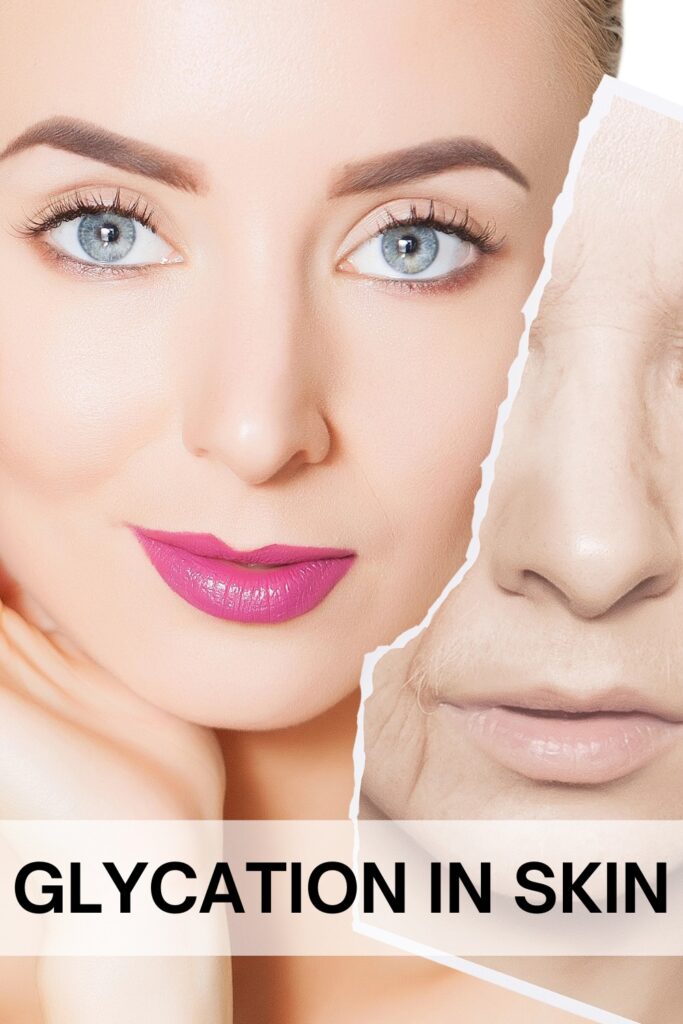
This post is all about glycation in skin.
First of all, Advanced Glycation End Products (AGE)
Glycation is a natural process that happens when sugar molecules (like glucose or fructose) bind to proteins, fats, or DNA in your body. This reaction produces harmful compounds called advanced glycation end products (AGEs). Over time, AGEs accumulate in your skin and cause trouble for key proteins like collagen and elastin, which keep your skin smooth, firm, and bouncy.
Think of collagen and elastin as the base supporter of your skin. Glycation in skin weakens this structure, making it brittle and stiff. As a result, your skin becomes less elastic, more prone to wrinkles, and starts to sag.
So, why does glycation happen?
- Sugar Overload: Eating lots of sugar or refined carbs floods your bloodstream with glucose and fructose, increasing the chances of glycation.
- Aging: Unfortunately, glycation is a normal part of the aging process. As we get older, our body becomes less efficient at repairing damage caused by AGEs.
- External Stressors: UV rays from the sun, pollution, and smoking can accelerate glycation by creating oxidative stress, which further damages your skin.
- High Blood Sugar: People with diabetes or insulin resistance are especially prone to glycation because of elevated sugar levels.
How Glycation Affects Your Skin
Here’s what glycation does to your skin:
- Wrinkles and Sagging: Stiff, glycated collagen and elastin fibers can’t provide the same support, leading to fine lines, wrinkles, and saggy skin.
- Dullness: AGEs disrupt your skin’s natural repair processes, leaving it looking tired and dull.
- Dryness: Glycation damages your skin’s moisture barrier, making it harder to retain hydration.
- Inflammation: AGEs bind to certain receptors in your skin, triggering inflammation that can worsen aging.
The Good News: You Can Prevent Glycation. Yes!
While we can’t completely stop glycation (it’s part of life), we can slow it down and minimize its effects on our skin. Here’s how:
1. Your Diet
Sugar is the main culprit behind glycation, so keeping your blood sugar levels stable is key. Here’s how to do it:
- Cut Back on Sugary Foods: Avoid excess sugar, sodas, sweets, and processed snacks. Swap them for whole, nutrient-dense foods.
- Focus on Low-Glycemic Foods: Choose foods that lower blood sugar, like leafy greens, beans, whole grains, and berries.
- Add Antioxidant-Rich Foods: Antioxidants help neutralize free radicals and reduce oxidative stress, which slows glycation. Fill your plate with colorful veggies, fruits, nuts, and seeds.
2. Adopt a Skincare Routine That Fights Glycation In Skin
The right products can make a big difference when it comes to preventing glycation and repairing its effects. Look for these key ingredients:
- Carnosine: This powerful anti-glycation ingredient helps prevent sugar molecules from binding to collagen and elastin.
- Vitamin C: A potent antioxidant, it fights free radicals and boosts collagen production.
- Niacinamide (Vitamin B3): Strengthens your skin’s barrier, reduces inflammation, and brightens the skin.
- Vitamin E: Another great antioxidant that works synergistically with Vitamin C to protect against environmental damage.
- Peptides: These help rebuild collagen and elastin, reducing the visible effects of glycation.
- Retinoids: Derived from Vitamin A, these boost skin cell turnover and stimulate collagen production.
3. SPF, SPF, AND SPF!
UV rays significantly accelerate glycation, so wearing sunscreen daily is a must. Opt for a broad-spectrum SPF 30 or higher to shield your skin from harmful rays. Pro-tip; Zinc Oxide is the best coverage in sunscreen!
4. Lifestyle Tweaks
Small changes to your daily habits can have a big impact:
- Quit Smoking: Smoking creates free radicals that speed up glycation.
- Stay Hydrated: Proper hydration keeps your skin’s moisture barrier intact and supports collagen.
- Exercise Regularly: Physical activity helps regulate blood sugar levels and reduces oxidative stress.
- Beauty Sleep: Your body repairs itself while you sleep, so aim for 7-9 hours of quality rest each night.
What Treatments Can Help Reverse Glycation Damage?
If you’re already seeing the effects of glycation on your skin, let’s see what kind of professional treatments can help your skin’s youthful appearance. The following treatments are generally effective; however, they may not be suitable for everyone. Factors such as skin type, medical history, and overall health play a crucial role. I have done all the treatments except fractional laser to clients/patients also had them done to myself. Frankly, I love them all. Usually, most of them require more than one single session. Always consult with your doctor to determine the most appropriate treatment for you.
1. Laser Treatments
Lasers like DOT, fractional CO2, or PicoSure can stimulate collagen production and improve skin texture by targeting damaged areas. They’re great for reducing wrinkles, tightening the skin, and promoting overall radiance.
2. Microneedling
Microneedling creates tiny, controlled injuries in the skin to stimulate collagen and elastin production. When paired with serums such as peptides or hyaluronic acid, growth factor, etc, this treatment can help repair glycation damage.
3. Radiofrequency Therapy
This non-invasive treatment uses heat to tighten the skin and boost collagen production, making it an excellent option for sagging caused by glycation.
4. Chemical Peels
Peels with ingredients like glycolic acid or lactic acid exfoliate the top layer of your skin, improving texture and brightness while stimulating cell turnover. There are many types of chemical peels, ranging from light to deep, Some are gentle enough to be used at home as part of a skincare routine, while others are performed by professionals and may require downtime for recovery.
A Simple Skincare Routine to Combat Glycation
Here’s a simple daily routine that includes anti-glycation ingredients:
Morning:
- Gentle cleanser
- Vitamin C serum (invest in a high-quality antioxidant product!)
- Niacinamide-based moisturizer
- Sunscreen (SPF 30+)
Evening:
- Makeup remover and cleanser
- Retinoid or AHA serum
- Rich moisturizer with anti-aging booster (e.g. carnosine, collagen, EGF growth factor, etc )
Once or twice a week, add a hydration sheet mask with LED red light and keep your skin glowing.
Final Thoughts
Glycation may sound like a complicated process, but the solutions to combat it are straightforward. By eating a balanced diet, using targeted skincare, protecting your skin from environmental stress, and considering professional treatments when needed, you can slow down the effects of glycation and maintain healthy, youthful-looking skin for years to come.
Start small: swap out sugary snacks, invest in a good antioxidant serum, and don’t forget the sunscreen. Remember, your skin is evolving no matter what age!
This post is all about glycation in skin, what is glycation, why this happens and what can we do to prevent and treat it.
Disclaimer: This blog provides general skincare advice and product recommendations. Always consult with a dermatologist or healthcare professional.



Leave a Reply