What enzymes in skincare products do? Is it worth using an enzyme for face? The enzymes in skincare is like that friend in your group who’s always even-tempered, never aggressive or dramatic, and knows what they’re doing. They are often underestimated, but they always get the job done. That reliable friend without hassle. If you’re looking to exfoliate your skin but cringe at the idea of harsh scrubs or stingy acids, or just want to take a little break from them, enzyme for skincare might be your new reliable but easy step you can add to your everyday skincare routine at home. In this post, we’ll break down what enzymes are, how they work, the types of enzyme skincare products available, and how to incorporate them into your routine for glowing, smooth skin.
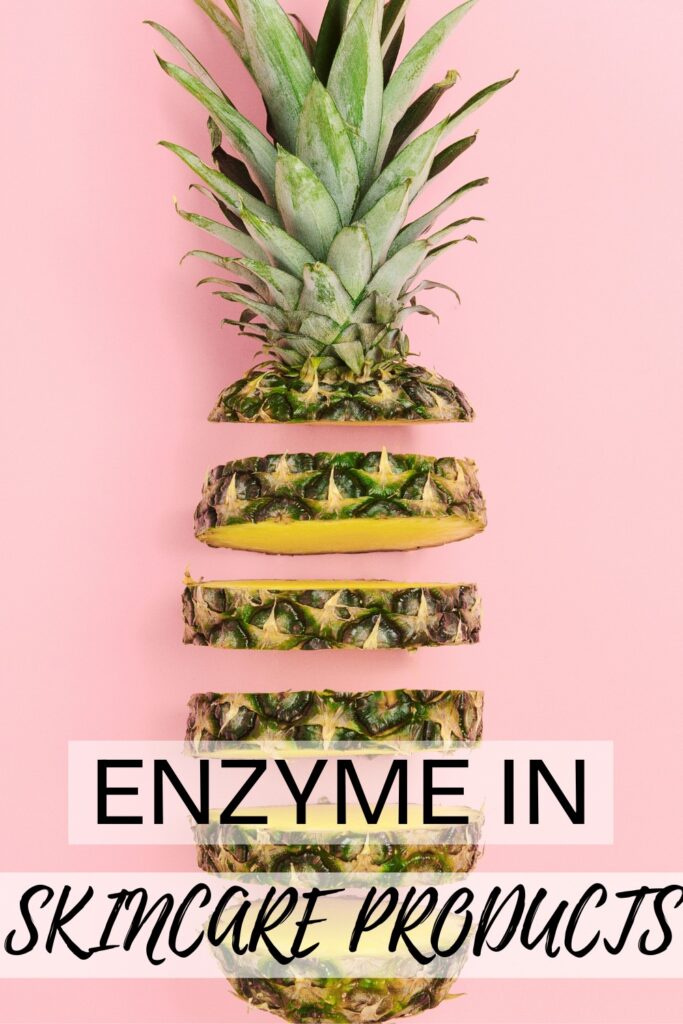
This post is all about enzymes in Skincare Products, how they work, their effects, and how to use them.
This post contains affiliate links. If you purchase through them, I may earn a small commission at no extra cost to you. Your support helps me continue creating content and is greatly appreciated.
What Are Enzymes in Skincare?
In simple terms, enzymes for skin are natural proteins that accelerate the breakdown of keratin in dead skin cells. Think of them as little saviors of the debris on the surface of your skin, revealing a brighter, smoother complexion underneath, without causing irritation.
Enzymes are mostly derived from fruits like papaya, pineapple, and pumpkin, which is why many enzyme skincare products have a fruity scent or feel. They’re gentle, effective, and particularly great for sensitive, reactive, or mature skin.
Types Of Enzymes In Skincare
Enzymes used in skincare are typically extracted from fruits or plants through fermentation or enzymatic hydrolysis. Here are some of the most common types of fruit enzyme skincare:
- Papain – Papaya enzyme skincare. This enzyme is known for breaking down proteins and gently removing dead skin.
- Bromelain – Pineapple enzyme skincare. It has both exfoliating and anti-inflammatory properties.
- Pumpkin Enzymes – A rich source of natural enzymes and vitamins, pumpkin also contains AHAs, offering a double benefit.
- Actinidin – Sourced from kiwi, this lesser-known enzyme is a gentle exfoliator that works well on delicate skin.
- Ficin – Derived from figs, it has proteolytic properties, meaning it helps break down dead skin proteins.
These enzymes are then stabilized and added to creams, cleansers, masks, or powders, allowing you to enjoy their benefits without worrying about spoilage or irritation.
Why Choose Enzyme Skincare Products?
Unlike scrubs that can create micro-tears in the skin or alpha hydroxy acids (AHAs) that might sting or cause redness, enzyme for skin products are the nice middle ground. They gently nibble away dead skin cells, unclog pores, and brighten your complexion—all without drama.
Benefits of enzymes for skin include:
- Smoother texture
- Brighter skin tone
- Reduced appearance of pores
- Less irritation for sensitive skin types
- Increased absorption of serums and moisturizers
Enzymes for skin problems: Enzymes also have anti-inflammatory and antioxidant properties, making them ideal for anyone dealing with redness, dullness, or even acne-prone skin.
Enzyme vs. AHA: What’s the Difference?
Let’s clear this up with a quick side-by-side:
| Feature | Enzymes | AHAs (Alpha Hydroxy Acids) |
|---|---|---|
| Source | Fruits (papaya, pineapple, etc.) | Sugar cane, milk, fruit acids |
| Mechanism | Break down proteins in dead skin cells | Loosen glue-like bonds between cells |
| Gentleness | Very gentle, great for sensitive skin | Can be irritating in high concentrations |
| Exfoliation Depth | Surface-level | Can penetrate deeper into epidermis |
| Frequency of Use | 1–4x/week | Often limited to 1–3x/week |
So, if your skin doesn’t love acids or scrubs, enzymes for skincare might just be your happy place.
Related post: AHA vs BHA skincare
Types of Enzyme Skincare Products
Let’s talk product types, because there’s more than one way to get that glow: Ready to try enzyme skincare? I’ve rounded up some of my favorite picks from Amazon. Just click, shop, and enjoy smoother, brighter skin in no time!
Enzyme Cleansers
These are gentle enough to use a few times a week and offer mild exfoliation during your cleansing step. Perfect for morning refresh or evening reset.
-Try adding an enzyme cleanser to your routine 2–3 times per week to keep buildup at bay without overdoing it.

Enzyme Masks
Probably the most popular format, enzyme masks are great for a weekly glow-up. They often pair enzymes with hydrating or soothing ingredients.
-Apply an enzyme mask to clean, dry skin for 5–15 minutes—think of it as your mini at-home facial.

Enzyme Powders
These powders are activated with water and are a K-beauty favorite. They’re customizable, travel-friendly, and ideal for sensitive skin.

-Mix a small amount with water and gently massage it onto your skin before rinsing.
Enzyme Peel At Home
Some exfoliating products combine enzymes with AHAs or BHAs for a multi-layered approach. These are best for experienced skincare users looking for a boost.
-Start slow, once a week, and always follow with hydration


Who Should Use Enzyme Skincare?
Enzyme skincare is suitable for:
- Sensitive or rosacea-prone skin
- Acne-prone skin
- Dull, rough, or congested complexions
- Aging or thinning skin that reacts poorly to AHAs
If you’re new to exfoliation or simply want something gentle and effective, enzymes are a solid choice.
Final Thoughts
In a world where skincare trends often favor the strongest, fastest-acting products, enzymes are the quiet achievers. Enzymes skin care treatments offer a smart, soothing way to exfoliate, and they deserve way more credit.
Whether you’re adding a papaya enzyme skin care products to your Sunday self-care ritual or swapping your gritty scrub for an enzyme face wash, your skin will thank you. Less irritation, more glow—and no drama.
This post is all about enzymes for skincare
While I personally test many of the products featured on this blog, I haven’t tried every single item recommended. My selections are based on careful ingredient analysis and thorough research into formulations and effectiveness. Always check for potential allergens if you have sensitive skin or known allergies.
Disclaimer: This blog provides general skincare advice and product recommendations. Always consult with a dermatologist or healthcare professional.

Leave a Reply