What are the growth factor serum and EGF serum benefits in skincare? Aren’t they both the same? If you’ve ever explored advanced skincare treatments or browsed the shelves of high-end serums, chances are you’ve come across growth factor serum or even products labeled with EGF (Epidermal Growth Factor). This powerful category of skincare has gained attention from skincare enthusiasts for its rejuvenating properties. But what exactly are growth factors, how do they work in your skincare routine, how does EGF fit in, and why are they often paired with treatments like microneedling? Let’s dive deep into the benefits, what they are made of, and the best ingredient pairings to maximize results in your skincare routine.
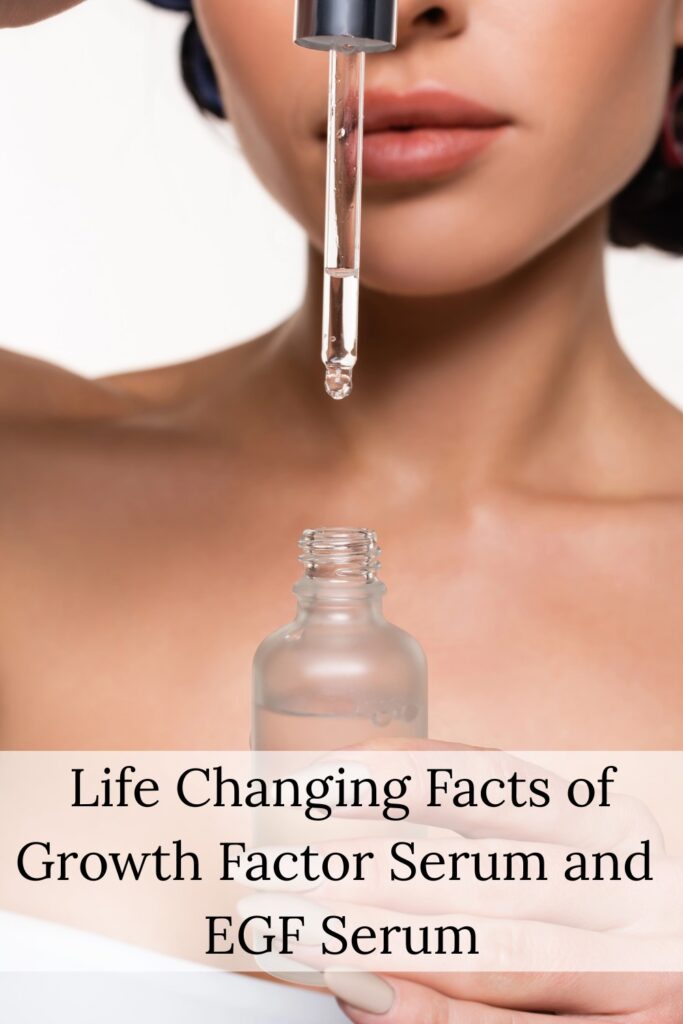
This post is all about Growth Factor Serum and EGF Serum in skincare. What are they, and what’s the effect in a skincare routine at home
This post contains affiliate links. If you purchase through them, I may earn a small commission at no extra cost to you.
What are Growth Factors Serum in Skincare?
Growth factors are naturally occurring proteins in the body that act as messengers between cells. They help regulate cellular functions such as growth, repair, and collagen production. As we age, our body’s natural supply of growth factors declines (I know it sucks!), which contributes to slower cell turnover, thinner skin, fine lines, and loss of elasticity.
Growth factor serums are designed to replenish this decline by delivering topical proteins that “signal” skin cells to regenerate. Think of them as the communicators that tell your skin: “It’s time to repair, heal, and rebuild.” It sounds like Exosomes, right?
Related post: Exosomes for anti aging
EGF Serum vs. Growth Factors: What’s the Difference?
When shopping for products, you’ll often see the term EGF (Epidermal Growth Factor) used alongside or instead of “growth factors.” Here’s the difference:
- EGF (Epidermal Growth Factor): This is one specific type of growth factor that primarily stimulates skin cell regeneration and repair. It helps with wound healing, smoothing fine lines, and improving overall skin texture. EGF has become popular in many luxury serums because of its targeted ability to encourage skin renewal.
- Growth Factors (General): This term includes a wide range of proteins—such as fibroblast growth factors, platelet-derived growth factors —that regulate different cellular functions. They don’t just help with surface renewal but also stimulate collagen and elastin production, promote blood vessel formation, and support long-term skin firmness.
In short, EGF is one member of the growth factor “family.” It’s excellent for surface renewal and smoothing, while broader growth factor complexes work more deeply to improve structure, firmness, and resilience. Many high-end skincare brands use either EGF alone or a blend of multiple growth factors for a more comprehensive anti-aging approach.
What Are Growth Factors Made Of in Skincare Products?
Don’t you wonder where the growth factors come from? You’re not the only one. The answer depends on the formulation. Here are the main sources you’ll find in today’s skincare products:
1. Human-Derived (Cell Culture / Biotechnology)
These growth factors are produced in a laboratory using cultured human skin cells, such as fibroblasts or keratinocytes. Scientists grow these cells under controlled conditions and collect the proteins they naturally secrete. The result is a purified, safe, and effective ingredient that closely mimics what our skin already makes. This is the type you’ll often find in medical-grade skincare brands.
2. Plant-Derived (Bioengineered)
Many modern growth factor serums are made from plants such as barley, rice, bamboo, or soybeans. These are not “true” human growth factors but are bioengineered proteins that act similarly in the skin. They are vegan-friendly and generally considered more stable, making them an attractive option for clean beauty brands.
3. Synthetic / Recombinant
Through recombinant DNA technology, scientists can program yeast, bacteria, or plant cells to produce growth factor proteins identical to human ones. This is widely used in both medicine and skincare to ensure consistency, safety, and purity.
Some years ago during my skincare training, I learned about the fascinating science behind growth factor serums. Historically, some growth factors were derived from human foreskin fibroblasts – newborn skin cells that are exceptionally good at regeneration and healing. While this might sound unusual, it’s actually a brilliant example of medical innovation finding valuable applications for biological materials that would otherwise be discarded. Today, most cosmetic growth factors are produced through biotechnology in laboratories, offering the same benefits through more scalable methods.
Growth Factor Serum Benefits
Incorporating growth factor serum into your skincare routine can make a significant difference in both the look and feel of your skin. Here are the main benefits:
- Stimulates Collagen and Elastin Production
Collagen is essential for plump, youthful skin, while elastin keeps skin firm and bouncy. Growth factors support the natural production of both, helping to reduce visible signs of aging. - Improves Skin Texture and Tone
With consistent use, growth factor serums smooth out roughness and refine skin texture, giving your complexion a more polished, even look. - Accelerates Skin Repair
Because growth factors are integral in wound healing, these serums are excellent for post-treatment care, speeding up recovery and reducing downtime. - Reduces Fine Lines and Wrinkles
By boosting regeneration, growth factors soften the appearance of lines and wrinkles over time. - Supports a Healthy Skin Barrier
A strong skin barrier is crucial for maintaining hydration and defending against irritants. Growth factors reinforce this natural defense system.
Growth factor serum and EGF serum products recommendation:
- SkinMedica TNS Advanced+ Serum

- BIOEFFECT EGF Serum

- ZO Skin Health Growth Factor Serum

- NeoCutis Bio Serum

- Allies of Skin Multi Peptide & GF Advanced Lifting Serum

- The Ordinary GF 15% Solution

Growth Factors and Microneedling: A Perfect Pair
One of the most common professional uses of growth factor serum is during or after a microneedling treatment. Here’s why they’re such a perfect match:
- Microneedling creates microchannels in the skin, which allow growth factor serum to penetrate deeply and be absorbed more effectively.
- Both stimulate collagen production, but in different ways. Microneedling triggers the skin’s natural wound-healing response, while growth factors amplify and accelerate this process.
- Faster recovery and better results: Post-microneedling application of growth factor serum reduces redness, shortens downtime, and enhances overall outcomes.
In short, when used together, microneedling and growth factors can significantly improve skin firmness, reduce scarring, and create a smoother, rejuvenated complexion. Even with the dermaroller at home, try using growth factor serum after the use of the dermaroller. You will feel the difference!
Related post: 5 reasons why dermaroller (microneedling) is awesome
Who Should Use Growth Factor Serum or EGF?
Both EGF and broader growth factor complexes can benefit many different skin types, but here’s a quick guide:
- Mature skin: Broader growth factor serums are excellent for firming and reducing deeper wrinkles, while EGF works well for smoothing fine lines and boosting radiance.
- Post-procedure skin: Growth factors in general are ideal after microneedling or laser, while EGF helps calm and accelerate surface healing.
- Skin with uneven texture or tone: EGF improves smoothness, while multi-growth factor serums target firmness and elasticity.
- Preventative anti-aging: EGF serums can be a lighter, more targeted option in your 20s or 30s, while full growth factor blends provide more comprehensive benefits as skin matures.
Best Ingredient Pairings with Growth Factors
While growth factor serums are powerful on their own, pairing them with complementary ingredients can take your skincare routine to the next level. Here are some top combinations and why they work so well together:
1. Growth Factors and Hyaluronic Acid
- Why it works: Hyaluronic acid is a hydration powerhouse that plumps the skin and keeps moisture locked in. When paired with growth factors, it enhances the regenerative process by ensuring cells are hydrated and nourished.
- Benefits: Skin feels smoother, looks plumper, and heals faster. This duo is particularly effective for reducing dryness and improving elasticity.
Related post: How important to use Hyaluronic Acid in your skincare routine?
2. Growth Factors and Vitamin C
- Why it works: Vitamin C is a potent antioxidant that brightens skin and protects against free radical damage. Combining it with growth factors supports collagen synthesis and enhances overall radiance.
- Benefits: Fewer dark spots, improved firmness, and a glowing, even complexion.
Related post: 7 life changing benefits of antioxidant skincare
3. Growth Factors and Retinol
- Why it works: Retinol accelerates cell turnover, while growth factors encourage new, healthy cell growth. The pairing addresses both the removal of damaged cells and the creation of fresh, healthy ones.
- Benefits: Reduced wrinkles, improved skin texture, and enhanced anti-aging results. This combination is best introduced gradually to avoid irritation.
4. Growth Factors and Niacinamide
- Why it works: Niacinamide strengthens the skin barrier, reduces inflammation, and balances oil production. With growth factors, it creates a synergistic effect where repair and protection happen simultaneously.
- Benefits: Calmer, more resilient skin that looks brighter and healthier overall.
5. Growth Factors and Peptides
- Why it works: Peptides are short chains of amino acids that also signal the skin to produce more collagen. Together with growth factors, they amplify the skin’s natural repair process.
- Benefits: Firmer, more youthful-looking skin with long-term improvement in elasticity.
Related post: 5 Important benefits of using peptides in skincare
The Bottom Line
Growth factor and EGF serums represent a sophisticated approach to skincare that works with your skin’s natural biology rather than against it. By providing the cellular communication tools that diminish with age, these serums offer a gentle yet effective path to healthier, more youthful-looking skin. The investment in these advanced formulations often pays dividends (yes!) in the form of visibly improved skin texture, tone, and overall radiance.
This post is all about Growth Factor Serum and EGF Serum in skincare.
While I personally test many of the products featured on this blog, I haven’t tried every single item recommended. My selections are based on careful ingredient analysis and thorough research into formulations and effectiveness. Always check for potential allergens if you have sensitive skin or known allergies.
Disclaimer: This blog provides general skincare advice and product recommendations. Always consult with a dermatologist or healthcare professional.

Leave a Reply