Is it good to use niacinamide and alpha arbutin together? What’s the effect, and why should I use them? In the ever-evolving world of skincare, two ingredients continue to stand out not just for their individual benefits but for their combined potential: niacinamide and alpha arbutin. Whether you’re dealing with dark spots, uneven tone, acne scars, or dullness, these two ingredients in your skincare routine could be your skin’s new best friend.
Let’s dive into what makes each of these ingredients so special, and more importantly, why using them together can bring your skin real, visible results, without the irritation that often comes with more aggressive treatments.
This post is all about niacinamide and alpha arbutin together in skincare. What those ingredients are and how they work, and their effect in a skincare routine.
This post contains affiliate links. If you purchase through them, I may earn a small commission at no extra cost to you. Your support helps me continue creating content and is greatly appreciated.
Difference between Niacinamide and Alpha Arbutin
-What Is Niacinamide?
Niacinamide, also known as vitamin B3, is a water-soluble vitamin that offers a range of skin benefits. It’s one of those rare ingredients that seems to do a little bit of everything:
Niacinamide benefits:
- Strengthens the skin barrier
- Regulates oil production
- Minimizes the appearance of pores
- Reduces redness and inflammation
- Improves skin texture
- Fades post-acne marks and uneven pigmentation
Niacinamide is especially beloved by dermatologists and skincare professionals for its versatility. It works well for nearly every skin type—whether you’re oily, dry, sensitive, or somewhere in between. Best of all, it’s incredibly gentle. Unlike exfoliating acids or retinoids, niacinamide doesn’t make your skin more sensitive to the sun or cause irritation when used correctly.
Below are Niacinamide skincare products for home use


-What Is Alpha Arbutin?
Alpha arbutin is a lesser-known but equally powerful ingredient, primarily praised for its skin-brightening abilities. It’s a naturally derived compound (from the bearberry plant) that is chemically related to hydroquinone, a well-known skin lightener—but it’s much gentler and safer for long-term use. 2% alpha arbutin is reasonable to avoid irritation.
Alpha Arbutin benefits:
- Reduces hyperpigmentation and dark spots
- Fades acne scars and sun damage
- Brightens dull, uneven skin
- Helps prevent future discoloration
Alpha arbutin works by inhibiting tyrosinase, the enzyme responsible for melanin production in the skin. This helps reduce the overproduction of pigment, which leads to those stubborn spots we all wish would go away faster.
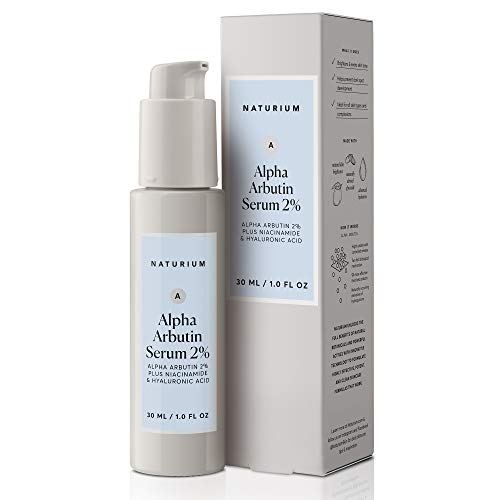
Below are Alpha arbutin skincare products for home use



Niacinamide and Alpha Arbutin Benefits
| Feature | Niacinamide | Alpha Arbutin |
|---|---|---|
| Primary Function | Barrier repair, anti-inflammatory, oil regulation | Skin brightening, pigmentation fading |
| Target Concerns | Redness, oiliness, dullness, uneven tone, texture | Dark spots, melasma, sunspots, discoloration |
| Skin Type Suitability | All skin types, especially sensitive/acne-prone | All skin types, especially hyperpigmented |
| How Fast It Works | Gradual results, usually noticeable in 4–8 weeks | May take 6–12 weeks for noticeable fading of spots |
| Safety & Tolerance | Generally very well-tolerated | Well-tolerated, safer alternative to hydroquinone |
Can I use Niacinamide and Alpha Arbutin Together?
Yes! While niacinamide and alpha arbutin shine on their own, they’re even better together. They can enhance each other’s brightening effect. —and here’s why:
1. They Target Hyperpigmentation from Different Angles
- Alpha arbutin directly reduces melanin production by blocking tyrosinase.
- Niacinamide stops melanin from being transferred to the surface layers of the skin.
Think of it like a two-step approach: alpha arbutin stops the problem at the source, and niacinamide keeps it from spreading. The result? Brighter, more even skin tone, faster.
2. They’re Both Gentle and Non-Irritating
Some brightening ingredients, like high-dose retinol or high-strength vitamin C, can cause irritation, especially for sensitive skin. niacinamide and alpha arbutin are well-tolerated by most people, even when used together daily. That means you can use them consistently (which is key for results) without worrying about redness or flaking.
3. They Boost Overall Skin Health
While alpha arbutin focuses on pigment, niacinamide plays a supporting role by improving your skin’s resilience, hydration, and texture. It acts like a “skin vitamin,” giving your complexion the strength it needs to look its best, glow naturally, and bounce back from inflammation or breakouts.
What Skin Concerns Do They Treat Together?
If you’re dealing with any of the following, this combo could be your favorite skincare products:
- Post-acne dark marks (PIH)-Post Inflammatory Hyperpigmentation
- Melasma
- Sunspots or age spots
- Uneven skin tone
- Redness or blotchiness
- Overall dullness or lack of glow
Together, these ingredients help transform skin from uneven and tired to bright, smooth, and radiant.
Related post: Dark spot treatment at home
How to Use Niacinamide and Alpha Arbutin in Your Routine
The best part? These ingredients are super easy to incorporate. Here’s a simple, step-by-step guide you can follow both morning and night:
Morning Routine
- Cleanser – Use a gentle cleanser to remove oil and prep your skin.
- Toner (optional) – A hydrating toner can help prep your skin for serums.
- Alpha Arbutin Serum – Apply 2–3 drops to clean, dry skin.
- Niacinamide Serum or Moisturizer – Follow up with your niacinamide product.
- Moisturizer – Lock it all in with a hydrating, non-comedogenic moisturizer.
- Sunscreen (AM only) – SPF 30 or higher is a must, especially when targeting pigmentation.
Evening Routine
Follow the same steps as the morning, minus the sunscreen. If you use actives like retinoids or exfoliating acids at night, it’s best to alternate nights to avoid irritation. Also, it is not a bad idea to give your skin a break few nights a week without any exfoliating agent!
Pro Tips for Best Results
- Be consistent. You may start to see subtle results in 2–4 weeks, but more significant changes often take 8–12 weeks.
- Always wear sunscreen. Hyperpigmentation worsens with sun exposure. Even the best brightening routine won’t help if you’re skipping SPF.
- Avoid layering with harsh ingredients. Both niacinamide and alpha arbutin are gentle, but they pair best with other calming products—so go easy on strong acids or retinoids in the same routine.
Real Results, Real Confidence
One of the reasons this combo is gaining popularity is that it doesn’t just promise results—it delivers. With regular use, you can expect:
- A smoother, more even skin tone
- Fewer dark spots and signs of sun damage
- Reduced redness and irritation
- A more radiant, healthy-looking complexion
And you don’t need a 10-step routine or luxury skincare budget to achieve it. Many affordable brands now offer effective serums with one or both ingredients.
Final Thoughts
In a world where skincare can sometimes feel overwhelming, it’s refreshing to find two ingredients that are both effective and easy to use. Niacinamide and Alpha Arbutin are a match made in skincare heaven—offering brightening, calming, and strengthening benefits in one simple combo.
So, if you’re tired of battling stubborn dark spots or just want to boost your skin’s natural glow, this dynamic duo might be exactly what you need. It’s gentle, it’s effective, and it’s suitable for almost every skin type.
Ready to give your skin the love it deserves? Start with Niacinamide and Alpha Arbutin—and let the glow-up begin.
This post is all about niacinamide and alpha arbutin together in a skincare routine
While I personally test many of the products featured on this blog, I haven’t tried every single item recommended. My selections are based on careful ingredient analysis and thorough research into formulations and effectiveness. Always check for potential allergens if you have sensitive skin or known allergies.
Disclaimer: This blog provides general skincare advice and product recommendations. Always consult with a dermatologist or healthcare professional.


Leave a Reply