When it comes to achieving smoother, more radiant, and youthful skin, few ingredient combinations are as effective as retinol and squalane. Individually, they’re powerful — but together, they create a perfect harmony of renewal and nourishment.
Retinol, a derivative of vitamin A, accelerates cell turnover and boosts collagen production, while squalane, a deeply hydrating lipid, strengthens the skin’s barrier and locks in moisture. Used in tandem, they deliver transformative results with minimal irritation — making this duo a game-changer for all skin types.
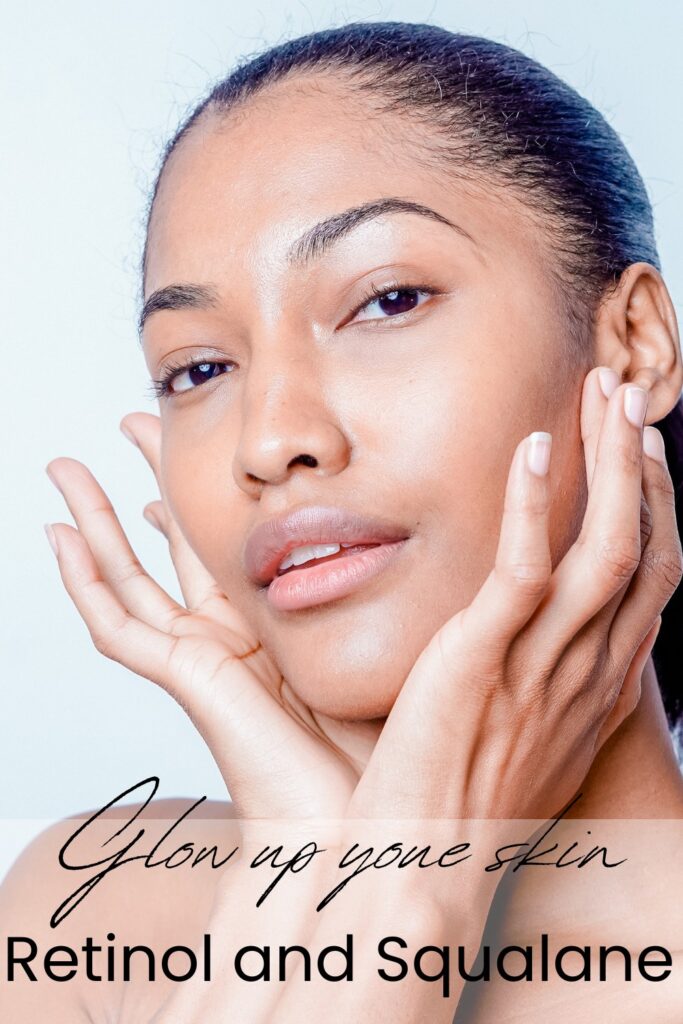
This post is all about retinol and squalane products in skincare for glowing skin.
This post contains affiliate links. If you purchase through them, I may earn a small commission at no extra cost to you.
What Is Retinol?
Retinol is one of the most researched and proven ingredients in skincare, known for its ability to transform skin texture and tone. Once applied, retinol converts into retinoic acid — the active form of vitamin A that communicates directly with skin cells to encourage faster renewal and repair.
Top Benefits of Retinol
- Stimulates Collagen Production
As we age, collagen production naturally declines, leading to sagging and fine lines. Retinol stimulates new collagen formation, keeping skin firm and resilient. - Improves Skin Texture and Refines Pores
Retinol promotes faster skin cell turnover, sloughing away dead cells and revealing smoother, more refined skin underneath. - Reduces Fine Lines and Wrinkles
Regular use visibly softens fine lines and wrinkles, improving elasticity and firmness over time. - Brightens and Evens Out Skin Tone
Retinol helps fade dark spots, sun damage, and post-acne marks, revealing a clearer and more radiant complexion. - Fights Acne and Prevents Breakouts
By unclogging pores and balancing skin turnover, retinol reduces breakouts and helps fade lingering blemish scars.
What Is Squalane? The Ultimate Hydrator and Protector
Squalane is a hydrogenated version of squalene, a lipid naturally found in our skin’s sebum. It’s lightweight, non-greasy, and remarkably similar to our skin’s own oils, which makes it easy to absorb and suitable for all skin types.
Top Benefits of Squalane
- Intense Hydration Without Clogging Pores
Squalane penetrates deeply to deliver moisture and prevent transepidermal water loss, keeping skin hydrated and plump. - Restores and Strengthens the Skin Barrier
It helps repair the protective layer that shields the skin from environmental stressors, pollution, and dehydration. - Balances Oil Production
Because it mimics the skin’s natural oils, squalane helps regulate sebum levels — perfect for both dry and oily complexions. - Soothes and Calms Irritated Skin
With its anti-inflammatory properties, squalane helps reduce redness, sensitivity, and dryness. - Defends Against Environmental Damage
Acting as an antioxidant, squalane helps neutralize free radicals that cause premature aging and dullness.
Why Retinol and Squalane Are the Perfect Pair
On their own, retinol and squalane offer incredible benefits — but together, they create a balanced and highly effective skincare solution. Retinol’s potency can sometimes cause dryness or flaking, especially when first introduced. Squalane counteracts that effect by replenishing moisture and soothing irritation.
Benefits of Using Retinol and Squalane Together
- Squalane Minimizes Retinol Irritation
While retinol promotes renewal, it can temporarily disrupt the skin barrier. Squalane restores that barrier, ensuring comfort and reducing dryness or redness. - Enhanced Absorption and Efficacy
Squalane helps deliver retinol deeper into the skin, boosting its effectiveness without increasing irritation. - Balances Potency with Comfort
Retinol rejuvenates while squalane nourishes — creating the perfect balance of results and gentleness. - Suitable for More Skin Types
The addition of squalane allows even sensitive or dry skin types to enjoy the benefits of retinol safely.
Product recommendations:


Why Retinol and Squalane Should Be Used at Night
Retinol is photosensitive, meaning it breaks down in sunlight and can make your skin more vulnerable to UV rays. That’s why nighttime is the best time to use it — when your skin naturally enters repair mode.
During sleep, the skin’s renewal process accelerates. Applying retinol at this time enhances its rejuvenating effects, while squalane keeps the skin hydrated and comfortable throughout the night.
Pro Tip:
Always wear sunscreen during the day when using retinol. SPF 30 or higher is essential to protect your freshly renewed skin and maintain results.
How Often Should You Use Retinol and Squalane?
Starting slowly is key when introducing retinol into your routine.
- Beginners: Use retinol 1–2 nights per week to allow your skin to adapt.
- Intermediate users: Gradually increase to 2-3 nights a week.
- Experienced users: Once your skin builds tolerance, nightly use may be appropriate. (but it is a good idea to give your skin a break sometimes!)
Squalane, however, can be used daily, morning and night. If you’re using a product that combines both, follow the retinol frequency to avoid over-exfoliation.
If dryness occurs, slow down or apply moisturizer.
Which Skin Types Benefit the Most?
The retinol-squalane combination is remarkably versatile and can benefit multiple skin types and concerns. Those with aging skin seeking to reduce fine lines, wrinkles, and loss of firmness will find this pairing particularly effective. The duo addresses both renewal and hydration, two critical factors in maintaining youthful skin.
People dealing with hyperpigmentation, sun damage, or uneven skin tone can benefit from retinol’s brightening effects while squalane ensures the skin remains balanced and protected. Acne-prone and oily skin types often benefit significantly, as retinol unclogs pores while lightweight squalane provides necessary moisture without causing breakouts.
Even those with dry or dehydrated skin can use this combination successfully, as the squalane component provides the extra hydration needed to prevent retinol-related dryness. However, individuals with extremely sensitive skin conditions like rosacea or eczema should consult a dermatologist before introducing retinol, though squalane alone can be highly beneficial for these conditions.
Pregnant or nursing individuals should avoid retinol, as vitamin A derivatives are not recommended during these periods. However, squalane remains a safe and excellent moisturizing option.
Final Thoughts
Retinol and squalane are proof that skincare science and nature can work in perfect harmony. Retinol delivers transformative renewal — smoothing wrinkles, brightening skin tone, and improving texture — while squalane ensures hydration, comfort, and balance.
When used together, they help your skin look younger, feel softer, and glow brighter. Whether you’re aiming to reduce fine lines, boost radiance, or simply maintain healthy, hydrated skin, this powerful duo belongs in your nighttime routine.
Consistency is key — and with patience, your skin will begin to reveal the smooth, radiant, and youthful look you’ve always wanted.
This post is all about retinol and squalane products in skincare for glowing skin.
While I personally test many of the products featured on this blog, I haven’t tried every single item recommended. My selections are based on careful ingredient analysis and thorough research into formulations and effectiveness. Always check for potential allergens if you have sensitive skin or known allergies.
Disclaimer: This blog provides general skincare advice and product recommendations. Always consult with a dermatologist or healthcare professional.

Leave a Reply