A simple night skincare routine doesn’t need to be a complicated 10-step process with a ton of different ingredients and trendy products. Although it is nice to add an occasional sheet mask or regular use of LED light therapy a couple of times a week, but what we all need is a simple night skincare routine order that you understand the ingredients for your concern, and steps that are simple enough so that you can stick with it. Your nighttime skincare routine is more than just washing off the day—it’s a chance to reset, renew, and repair your skin while you sleep. Consistency is key here: a simplified, yet targeted approach each night can transform your skin over time, especially when you’re addressing specific concerns like dullness, fine lines, acne, or uneven tone. In this post, we’ll break down a powerful yet approachable evening routine: cleansing, exfoliating, applying targeted serums, and moisturizing, with an optional first step using micellar water for makeup wearers.
Let’s dive into night skincare routine steps and discover how smart ingredients and consistent care can make all the difference.

This post is all about an effective, simple night skincare routine at home
This post contains affiliate links. If you purchase through them, I may earn a small commission at no extra cost to you. Your support enables me to continue creating content, and I greatly appreciate it.
Step 1: Start a Simple Night Skincare Routine with Makeup Removal
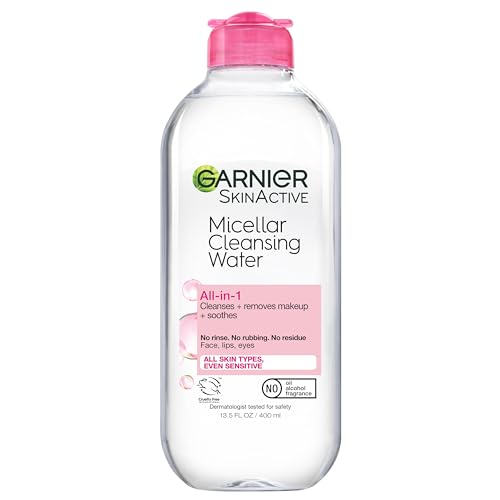
If you wear makeup—or even just sunscreen—you don’t want to skip a pre-cleanse. This step is to make sure all the makeup to be removed. One of the most gentle and effective options is micellar water, a no-rinse cleanser that attracts dirt, oil, and makeup like a magnet. Makes your removal job so much easier!
Why it’s important:
Going to bed with makeup or SPF residue can clog pores, contribute to breakouts, and reduce the effectiveness of your skincare products. A quick swipe with micellar water ensures you’re starting with a clean canvas.
Recommended Ingredients:
- Glycerin – A hydrating humectant that keeps skin soft.
- Cucumber or chamomile extract – Helps calm the skin while cleansing.
Pro Tip:
Use a disposable cotton pad soaked in micellar water and gently sweep across your face until no residue remains. If you’re using reusable, be sure to clean each time.


![Clean Skin Club Clean² Pads 2.0 [NEW & IMPROVED EDGES]](https://m.media-amazon.com/images/I/31EUESRqVNL._SL500_.jpg)
Step 2: Cleanse
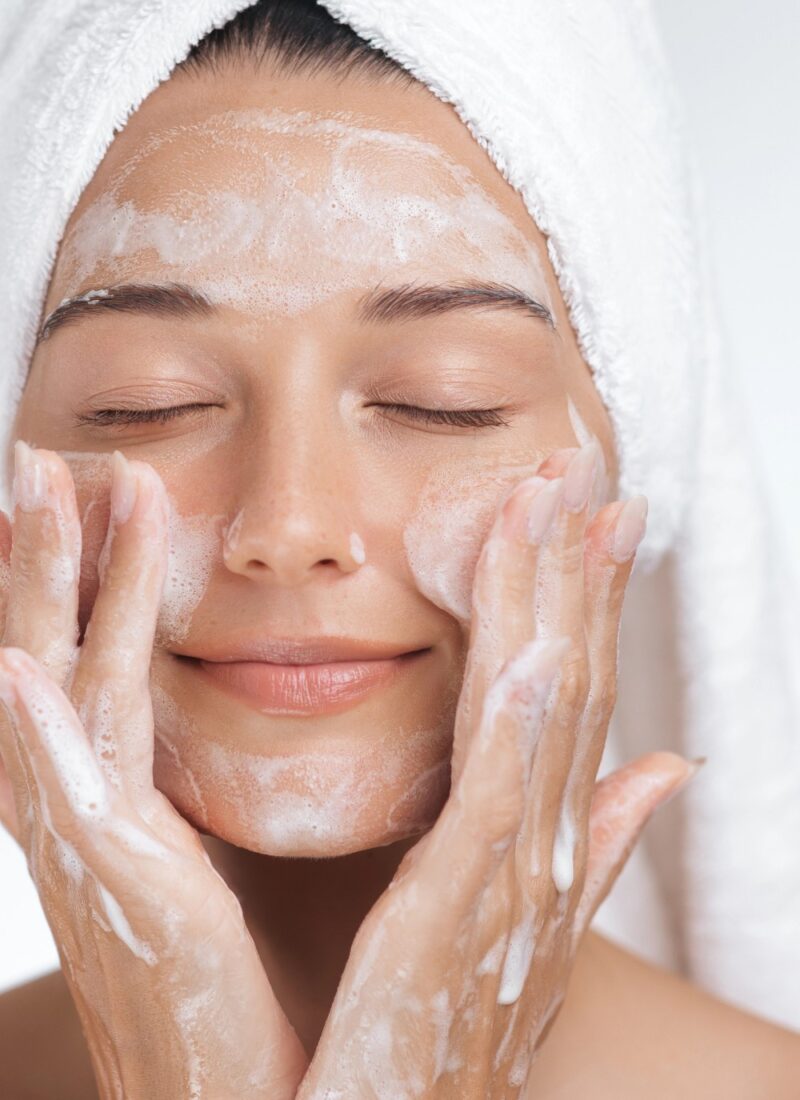
Whether you wear makeup or not, cleansing is the cornerstone of your nighttime skincare step. It removes oil, sweat, pollution, and other impurities from the skin, making it more receptive to the treatment products that follow.
Why it’s important:
A properly cleansed face helps your exfoliants and serums penetrate more deeply and work more effectively. It also helps maintain the skin’s natural balance.
Ingredients to Look For:
- Gel or foaming cleansers for oily or acne-prone skin (look for salicylic acid or tea tree).
- Cream or balm cleansers for dry or sensitive skin (look for ceramides, hyaluronic acid, or squalane).
- Low pH cleansers help maintain the skin’s acid mantle and prevent dryness or irritation.
Pro Tip:
Massage cleanser into damp skin for at least 30–60 seconds to allow ingredients to break down oil and debris effectively.


Step 3: Exfoliate (2–3 times per week)
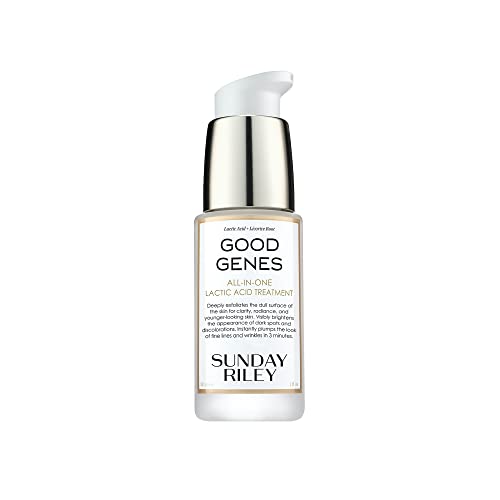
Nighttime is exfoliation time. It is a game-changer. This is the time Cell Turnover occurs, meaning your cells are turning over and replenishing the new skin layers. By removing dead skin cells, exfoliants brighten dull complexions, unclog pores, and pave the way for smoother, softer skin.
There are three main types of exfoliants: AHAs, BHAs, Enzymes, and Retinol. Each has unique benefits depending on your skin’s needs.
Types of Exfoliating Ingredients:
- AHAs (Alpha Hydroxy Acids)
Best for: Dry, dull, uneven skin tone
Includes: Glycolic acid, lactic acid, mandelic acid
AHAs exfoliate the surface of the skin and help with hydration and texture improvement. - BHAs (Beta Hydroxy Acids)
Best for: Oily, acne-prone, congested skin
Includes: Salicylic acid
BHAs penetrate deeper into pores to clear out excess sebum and prevent breakouts. - Enzymes
Best for: Sensitive or reactive skin types
Includes: Papaya (papain), pineapple (bromelain), pumpkin enzymes
Enzymes work more gently than acids to break down dead skin cells without irritation. - Retinol (Vitamin A)
Best for: Anti-aging, acne, texture, and pigmentation
Retinol promotes cell turnover and increases collagen production.
Note: Avoid using it on the same nights as acids to reduce irritation.
Related post: AHA vs BHA skincare
Related post: Salicylic acid benefits must know!
Related post: Enzyme in skincare products
How Often to Use:
Exfoliate 2–3 nights a week depending on your skin type and the product’s strength. Avoid over-exfoliation—it can compromise your skin barrier.
Pro Tip:
Follow exfoliation with calming and hydrating products. If you’re new to acids or retinol, start slow (once a week) and build up tolerance.


Step 4: Apply Serums for Specific Concerns
Now that your skin is effectively exfoliated, it’s time to apply serums—the powerhouse step of your routine. Serums are concentrated treatments that target specific skin concerns such as wrinkles, dark spots, or dehydration. (For acne-prone skin, you have already used your product for your concern in step 3)
Why it’s important:
Nighttime is the best time to treat your skin because your body is in repair mode while you sleep. Using the right serum allows your skin to absorb active ingredients deeply and maximize results.
Common Serum Ingredients Based on Concern:
- For Dark Spots & Uneven Tone:
- Niacinamide – Brightens and strengthens the skin barrier
- Alpha Arbutin – Reduces hyperpigmentation gently
- Kojic acid – Inhibits melanin production
- For Aging & Fine Lines:
- Peptides – Support firmness and elasticity
- Growth factor serum – Helps the skin’s regeneration processes
- For Dehydrated or Dry Skin:
- Hyaluronic Acid – Holds moisture and plumps the skin
- Squalane – Balances oil and locks in moisture
Relayed post: Why Niacinamide and Alpha Arbutin Together Deserve a Spot in Your Skincare Routine
Related post: Dark spot treatment at home
Related post: 5 IMPORTANT BENEFITS OF USING PEPTIDES IN SKINCARE
Related post: How Important To Use Hyaluronic Acid In Your Skincare Routine?
Pro Tip:
Use a small amount and gently press the serum into your skin. If using multiple serums, apply the thinnest texture first and wait a couple of seconds between layers.


Step 5: Always Finish with Moisturizer
Moisturizing seals in all the goodness from your serum and helps maintain a healthy skin barrier overnight. Even oily or acne-prone skin needs hydration!
Why it’s important:
At night, the skin loses more water. A good moisturizer prevents dehydration and supports skin recovery.
Ingredients to Look For:
- Ceramides – Rebuild the skin’s protective barrier
- Hyaluronic Acid – Hydrates and plumps
- Shea Butter or Jojoba Oil – Nourishes and soothes
- Niacinamide – Calms inflammation and supports repair
For Acne-Prone or Oily Skin:
Opt for lightweight gel or water-based creams with non-comedogenic ingredients.
For Dry or Mature Skin:
Choose richer creams with emollients and occlusives like squalane, plant oils, or beeswax.
Pro Tip:
Apply your moisturizer while your skin is still slightly damp from your serum to lock in hydration.


Why Consistency Matters
Skincare is not about quick fixes—it’s a long-term relationship. When you consistently cleanse, exfoliate, treat, and moisturize with products suited to your skin, you strengthen your skin barrier, reduce inflammation, and promote healthy cell turnover. Over time, this leads to:
- Fewer breakouts
- More even tone and smooth texture
- Increased firmness and radiance
- Delay the aging process
Final Thoughts
A simple yet targeted night skincare routine for glowing skin doesn’t have to be overwhelming. Start with the basics—cleanse, exfoliate a few nights a week, apply serums for your concerns, and moisturize—and adjust as your skin evolves.
Great skin is built slowly, night by night. Stay consistent, listen to your skin, and enjoy the glowing results.
This post is all about a simple night skincare routine that effectively works for glowing skin
While I personally test many of the products featured on this blog, I haven’t tried every single item recommended. My selections are based on careful ingredient analysis and thorough research into formulations and effectiveness. Always check for potential allergens if you have sensitive skin or known allergies.
Disclaimer: This blog provides general skincare advice and product recommendations. Always consult with a dermatologist or healthcare professional.
Leave a Reply