There is something significant in achieving a natural glow and overall health in a skincare routine. -How to use vitamin C and retinol together. You ever wonder, “Can I use vitamin c with retinol?” Absolutely you can! When it comes to achieving radiant, youthful skin, few ingredient combinations are as powerful as vitamin C and retinol. These two skincare ingredients have earned their place as gold standard in a world of skincare, and when used correctly, they can transform your complexion in ways that single ingredients simply can’t match. Let’s dive deep into understanding how these powerful ingredients work, why timing matters, -like, vitamin c before or after retinol?- and how they create the perfect skincare steps when used together. For many concerns—including anti-aging, age spots, acne marks (dark spots), achieving a glow, and supporting overall skin health—this combination truly shines. When used correctly, vitamin C and retinol are a perfect pairing that can transform your skin, helping it look brighter, smoother, and more youthful over time.
Let’s dive into what each of these powerhouse ingredients does, why they complement each other so well, and how to use them correctly for maximum results.
This post is all about the powerful duo of vitamin C and retinol together in skincare for glowing skin.
This post contains affiliate links. If you purchase through them, I may earn a small commission at no extra cost to you. Your support enables me to continue creating content, and I greatly appreciate it.
What Does Vitamin C Do for Your Skin
Vitamin C, such as L-ascorbic acid, ferulic acid, and resveratrol, is a potent antioxidant. Antioxidants are your skin’s shield against free radicals—vitamin C is the only fighter against unstable molecules generated by things like UV rays, pollution, and stress that can damage skin cells and speed up aging. By neutralizing these free radicals, vitamin C helps protect skin from environmental stressors and keeps it looking youthful longer.
Related post: What is free radical damage (and how to prevent)
Related post: 7 life changing benefits of antioxidant skincare
But vitamin C does more than just protect. Here’s what it does for your skin:
- Brightens and evens tone: Vitamin C interferes with melanin production, helping fade dark spots, hyperpigmentation, and acne marks for a more even complexion.
- Boosts collagen production: It stimulates collagen synthesis, which keeps skin firm and plump. This makes it especially effective in reducing fine lines and wrinkles.
- Gives skin a radiant glow: Vitamin C helps skin look more luminous and healthy, which is why it’s a favorite for dull or tired-looking skin.
Product Recommendation:
Look for serums with L-ascorbic acid, Ferulic acid, and resveratrol, the most researched and effective form of vitamin C. Popular options include: SkinCeuticals C E Ferulic – an investment, but considered the gold standard with antioxidants like vitamin E and ferulic acid for stability.


What Retinol Does for the Skin
Retinol is a form of vitamin A, widely known as one of the most effective anti-aging ingredients. Unlike vitamin C, which primarily protects, retinol works on renewal and repair. It encourages your skin to work smarter and faster, bringing new, healthy cells to the surface.
Here’s what makes retinol so powerful:
- Speeds up cell turnover: Retinol helps shed old, damaged skin cells and replace them with fresher, healthier ones.
- Fades fine lines and wrinkles: By stimulating collagen and elastin, retinol reduces visible signs of aging and helps maintain firmness.
- Minimizes acne and clogged pores: It prevents buildup in pores, making it a great option for acne-prone skin.
- Improves overall texture: Retinol smooths rough patches, reduces the look of enlarged pores, and leaves skin soft and refined.
Product Recommendation:
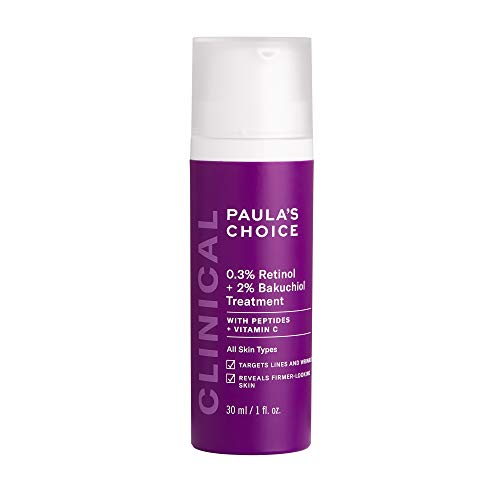
When choosing retinol, it’s important to start with a low dose (no higher than 0,5%) and go slow (a few times a week at night) since this ingredient can be irritating at first. Options to consider:


Why Vitamin C and Retinol Together Are a Gold Standard Duo
On their own, both vitamin C and retinol are impressive. Together, they’re transformative. The reason? They tackle skin health from two crucial angles—protection and renewal.
- Vitamin C = The Protector. By fighting oxidative stress and environmental damage during the day, vitamin C prevents issues before they start.
- Retinol = The Repairer. While you sleep, retinol works with your skin’s natural regeneration cycle to repair damage and encourage renewal.
This one-two punch means your skin is protected during the day and repaired at night, creating a cycle of prevention and correction. Over time, the results are noticeable: firmer, less noticeable fine lines, brighter, clearer, and more even-toned skin.
Why Vitamin C in the Morning and Retinol at Night
One of the most common questions is why vitamin C is used in the morning and retinol at night. The answer lies in how these ingredients work best.
- Vitamin C in the Morning
Vitamin C’s antioxidant powers are especially valuable when your skin is exposed to UV rays and pollution throughout the day. Layering it under sunscreen adds an extra layer of defense against sun damage and free radicals, giving you better protection against premature aging. - Retinol at Night
Retinol is photosensitive, meaning it breaks down when exposed to sunlight, making it less effective during the day. It can also make your skin more sensitive to the sun. That’s why nighttime is the perfect window—it allows retinol to work in sync with your skin’s natural repair cycle without UV interference.
And no matter what, sunscreen is non-negotiable. Retinol makes skin more sun-sensitive, and vitamin C can’t fully protect you from UV rays on its own. A broad-spectrum SPF 30 or higher is essential every single morning.
A Note on Patience and Consistency
It’s important to remember that vitamin C and retinol will not change your skin overnight. While you may notice a glow from vitamin C within weeks, retinol often takes a few months to reveal its full effects. Consistency is key.
If you’re new to either ingredient, introduce them gradually to avoid irritation. Starting with vitamin C daily and retinol two to three times a week, working up to nightly use as your skin adjusts.
Final Thoughts
Vitamin C and retinol are two of the most scientifically proven ingredients in skincare. By using them strategically—vitamin C in the morning to protect, and retinol at night to repair—you set your skin up for long-term health, radiance, and resilience.
If your goals include reducing fine lines, fading dark spots, smoothing texture, or simply achieving that lit-from-glow within, this duo is worth the effort. Pair them with daily sunscreen (never forget!) and you’ve created a skin regimen that truly covers all bases.
Trust me, your future self will thank you for starting today.
This post is all about how to use vitamin c and retinol together at home for glowing skin.
While I personally test many of the products featured on this blog, I haven’t tried every single item recommended. My selections are based on careful ingredient analysis and thorough research into formulations and effectiveness. Always check for potential allergens if you have sensitive skin or known allergies.
Disclaimer: This blog provides general skincare advice and product recommendations. Always consult with a dermatologist or healthcare professional.

Leave a Reply