You must avoid free radicals as much as you can. So, what is free radical damage? And how to prevent? If you’re serious about keeping your skin youthful, radiant, and resilient, one term you must understand is free radical damage. It’s one of the most significant causes of premature skin aging — but the good news is, you can absolutely fight back.
In this post, we’ll explore:
– What free radicals are and how they’re formed
– How free radical damage shows up in your skin
– The connection between free radicals and carcinogens
– The best skincare ingredients to prevent and repair oxidative stress (hello, antioxidants, retinol, and sunscreen!)
– A simple strategy you can start today to protect your skin
Let’s dive in.
This post is all about what free radical damage is in skin, how it happens, and how to prevent it.
This post contains affiliate links. If you purchase through them, I may earn a small commission at no extra cost to you. Your support helps me continue creating content and is greatly appreciated.
What Is Free Radical Skin Damage?
Free radicals are unstable molecules that contain an unpaired electron. To become stable, they “steal” electrons from other healthy molecules — like your skin’s collagen, elastin, lipids, and DNA. This process is called oxidative stress.
Over time, this cumulative damage breaks down your skin’s structural integrity, leading to visible signs of aging.
Common signs of free radical damage in skin include:
- Fine lines and wrinkles
- Loss of firmness
- Dullness
- Hyperpigmentation (dark spots)
- Rough texture
- Inflammation and redness
The earlier you start protecting your skin from free radicals, the better your long-term skin health will be.
Where do free radicals come from
Your skin naturally produces some free radicals through normal metabolic processes — this is unavoidable. However, external factors significantly increase free radical formation.
What causes free radicals in the skin:
- UV radiation — Sun exposure is the biggest trigger for free radical formation in skin.
- Pollution — Air pollution and environmental toxins create oxidative stress on the skin.
- Blue light — High-energy visible (HEV) light from phones and computer screens contributes to free radicals.
- Smoking — Both first- and secondhand smoke are loaded with free radical-producing chemicals.
- Poor lifestyle habits — Processed foods, excessive alcohol, chronic stress, and lack of sleep can all promote oxidative stress.
Free radicals & carcinogens — a quick connection
Do free radicals cause cancer? Many environmental carcinogens (cancer-causing substances) generate free radicals when they interact with skin cells. The resulting oxidative stress damages DNA, which can contribute to mutations and increase cancer risk.
While skincare can’t eliminate all cancer risk, using products that fight free radicals helps strengthen your skin’s defense system and maintain healthier, more resilient skin (hello, antioxidant!).
How to Reduce Free Radicals in the Skin
The most effective way to combat free radical damage is with consistent prevention and targeted repair.
Free Radical and Antioxidant – Important!
Antioxidants are molecules that neutralize free radicals by donating electrons — without becoming unstable themselves.
Regular use of antioxidant-rich skincare is one of the smartest investments you can make for youthful skin. Your skin is an Investment!
Antioxidant Benefits for Skin:
- Vitamin C (L-ascorbic acid):
Brightens skin, boosts collagen production, and neutralizes UV-induced free radicals.
Pro tip: Use a Vitamin C serum every morning under sunscreen for maximum protection. - Vitamin E (tocopherol):
A fat-soluble antioxidant that protects your skin barrier and enhances Vitamin C’s effects. - Niacinamide (Vitamin B3):
Calms inflammation, improves barrier function, and helps reduce oxidative stress. - Coenzyme Q10 (ubiquinone):
A powerful antioxidant that energizes skin cells and protects them from oxidative damage. - Polyphenols (green tea extract, resveratrol, ferulic acid):
Naturally occurring plant compounds that shield skin from UV and pollution-induced free radicals. - Carotenoids (beta-carotene, lycopene, astaxanthin):
Offer broad-spectrum antioxidant protection and support skin resilience.
|
Best Budget Pick

|
Save & Glow

|
Luxe Glow

|
Anti-Aging Hero

|
|
$10.40
|
$22.99
|
$84.00
|
$165.00
|
Using a combination of antioxidants provides more comprehensive defense, as different antioxidants work in different areas of your skin (water-soluble, fat-soluble, etc.).
Related post: 7 life changing benefits of antioxidant skincare
Never Skip Sunscreen
If there’s one product you should never skip — even on cloudy days or indoors — it’s broad-spectrum sunscreen.
I probably say this in every blog post, but.. Never skip SPF! Sunscreen protects your skin from UVA and UVB rays, which are the primary sources of free radical formation.
Look for a broad-spectrum SPF 30 or higher. Apply generously and reapply every two hours if you’re outdoors.
Even the best antioxidant serum can’t fully counteract the effects of UV damage — sunscreen is absolutely essential to keep free radicals at bay. Remember, antioxidants fight against free radicals while SPF blocks the sun!
|
Affordable Favorite

|
All Time Favorite

|
K-Beauty Must-Have

|
Lovely Glow

|
|
$18.00
|
$23.50
|
$38.00
|
$32.98
|
Incorporate Retinoids for Repair
While antioxidants and sunscreen help prevent free radical damage, retinoids (Vitamin A derivatives) help repair existing damage.
Retinoids work by increasing skin cell turnover, stimulating collagen production, and promoting even skin tone.
Over time, retinoid use can visibly reduce:
- Fine lines and wrinkles
- Hyperpigmentation
- Rough texture
- Dullness
Common retinoids include:
- Retinol (available over the counter)
- Retinaldehyde (a gentler, faster-acting option)
- Prescription tretinoin (strongest option)
|
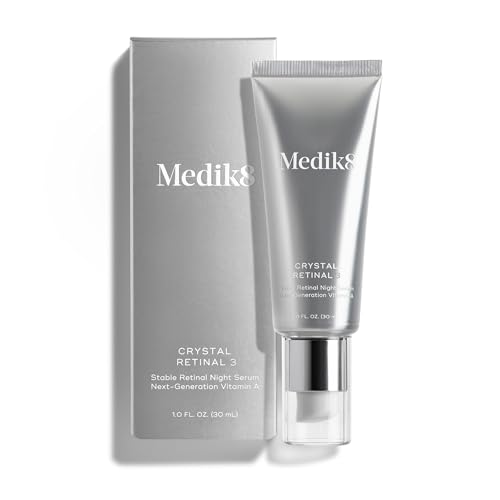
Retinol Beginner 0.03%
|
Regular User 0.5%

|
Advanced User 3.5% complex

|
|
$65.00
|
$80.00
|
$98.00
|
Start with a low concentration 1-2 times per week and build up gradually to avoid irritation.
Related post: Retinol vs Retinoid
Support Skin Barrier with Hydration
A strong, healthy skin barrier is more resilient against free radical damage.
Support your skin with:
- Hyaluronic acid: Draws water into the skin for plumpness and hydration.
- Ceramides: Help maintain the skin’s lipid barrier.
- Peptides: Support collagen and elastin production for firmer, more youthful skin.
|
Hydration Boost

|
Amazing Ingredient

|
Skincare Investment

|
|
$45.00
|
$54.00
|
$180.00
|
Well-hydrated skin is better able to repair itself and resist environmental stressors.
Related post: How important to use hyaluronic acid in your skincare routine?
Related post: 5 Important benefits of using peptides in skincare
Your Anti-Free Radical Skincare Strategy
Here’s a simple step-by-step routine to fight free radical damage and keep your skin healthy and youthful:
AM:
1, Cleanser
2, Antioxidant serum (Vitamin C + E, polyphenols)
3, Moisturizer with niacinamide or peptides
4, Broad-spectrum SPF 30+
PM:
1, Cleanser
2, Retinol or retinoid (start 2–3 nights/week and increase gradually)
3, Hydrating serum (hyaluronic acid)
4, Barrier-repair moisturizer (ceramides + peptides)
Lifestyle Tips:
Eat an antioxidant-rich diet (berries, greens, nuts, green tea)
Get enough sleep to allow skin repair (cell turnover happens while you sleep!)
Avoid smoking and minimize alcohol
Manage stress (cardio, resistance training)
Final Thoughts
Free radical damage may be invisible at first — but over time, it’s one of the most significant contributors to skin aging.
By understanding what causes free radicals, how they’re linked to carcinogens, and how to defend your skin with antioxidants, sunscreen, and retinoids, you can make a huge difference in your skin’s long-term health and appearance.
Consistency is key: The sooner you start incorporating these powerful ingredients into your daily skincare routine, the more you’ll protect your skin from future damage and maintain that beautiful glow.
This post is all about free radical damage in skin. How to prevent and what ingredients/products can work to keep the skin youthful.
While I personally test many of the products featured on this blog, I haven’t tried every single item recommended. My selections are based on careful ingredient analysis and thorough research into formulations and effectiveness. Always check for potential allergens if you have sensitive skin or known allergies.
Disclaimer: This blog provides general skincare advice and product recommendations. Always consult with a dermatologist or healthcare professional.

Leave a Reply