What is zinc oxide sunscreen benefits for skin? And what is it about non nano mineral sunscreen? If you’ve been reading my blog for a while, you’ve probably heard me say it more than once: Zinc oxide is the best coverage in sunscreen! Not only does it offer superior protection against the full spectrum of UV rays, but it’s also gentle on sensitive skin, non-comedogenic. Zinc oxide is a powerhouse ingredient in sun protection, and its benefits go far beyond simply blocking rays. Hint: Hello, active ingredient in diaper rash cream for a skin barrier!
But lately, there’s been talk about non-nano mineral sunscreens, especially among eco-conscious consumers and those with sensitive skin. So today, let’s dive into why zinc oxide is the gold standard in sun protection, what “non-nano” really means, and how to choose the right mineral sunscreen for your skin and lifestyle.
This post is all about zinc oxide sunscreen benefits and non nano mineral sunscreen. What’s the effect on skin, and how do they work.
This post includes affiliate links. If you make a purchase, I may earn a small commission at no extra cost to you. Your support helps me continue creating content and is greatly appreciated.
How Zinc Oxide Sunscreen for Face Works
Let’s start with the basics: Zinc oxide is a mineral UV filter that provides broad-spectrum protection, meaning it shields your skin from both UVA rays (which age the skin) and UVB rays (which burn the skin). So, zinc oxide is a mineral/physical sunscreen.
Unlike chemical sunscreens that absorb UV rays and convert them to heat, zinc oxide sits on top of the skin and acts like a mirror, reflecting and scattering harmful rays before they can do damage.
Here’s why zinc oxide is the best sun protection ingredient:
1. Broad-Spectrum Coverage in One Ingredient
Some chemical sunscreens require combining several active ingredients just to get full UVA and UVB protection. Zinc oxide, however, can do it all on its own. It’s one of the only UV filters that protects against the entire UVA1, UVA2, and UVB spectrum. This makes it incredibly reliable and consistent—ideal for daily use, even on the most sensitive skin.
2. Gentle and Non-Irritating
If you have sensitive skin, rosacea, acne, eczema, or you’ve recently had a professional treatment like microneedling or a peel, zinc oxide is your safest bet. It’s non-comedogenic, hypoallergenic, and even has anti-inflammatory properties. That’s why it’s used not only in sunscreen, but also in diaper rash creams and soothing balms.
3. Immediate Protection
One of my favorite things about mineral sunscreens? They start working the moment you apply them. No need to wait 15–20 minutes like you do with chemical SPF. If you’re running out the door in a hurry, you’re still covered.
4. Environmentally Friendly
Zinc oxide is also reef-safe and biodegradable, making it a smart choice not just for your skin, but for the planet too. Many chemical filters (like oxybenzone and octinoxate) have been linked to coral reef damage, and are banned in some beach destinations for that reason. With zinc oxide, you can protect your skin without harming marine life.
5. Long-Lasting and Stable
Unlike some chemical ingredients that degrade quickly in sunlight (and require stabilizers), zinc oxide is photostable ( love the word, sounds super efficient!), meaning it maintains its protective power under UV exposure. This makes it more effective over time, especially for outdoor activities.
Below are zinc oxide sunscreens.


What Is Non Nano Mineral Sunscreen? And Why Should You Care Non Nano Zinc Oxide?
Now, let’s talk about a term you may have seen on more sunscreen labels lately: “non nano zinc oxide” or “non nano mineral sunscreen”.
Here’s what it means in simple terms:
- Nano particles are extremely tiny—measuring less than 100 nanometers.
- Non-nano means the particles are larger than 100 nanometers.
Zinc oxide naturally forms in powder form, and manufacturers can grind those particles down to different sizes for cosmetic reasons. Smaller particles = easier blending, but with potential downsides.
Non-Nano Zinc Oxide Sunscreen Benefits
1. Safer for Your Skin
Non-nano zinc oxide particles are too large to penetrate the skin barrier. They remain on the surface, which is exactly where you want your sunscreen to stay. This is especially important for people with sensitive skin, compromised skin barriers, or anyone who prefers ingredients that won’t be absorbed into the body.
Some studies have raised concerns that nano-sized particles might be absorbed through damaged or inflamed skin—although research is still ongoing. To err on the safe side, non-nano zinc oxide is considered the most skin-safe option.
2. Better for the Environment
Nano particles are also being studied for their effects on marine ecosystems. Early research suggests that nano zinc oxide may be more easily absorbed by coral and aquatic life, potentially leading to toxic effects. Non-nano particles are larger and less bioavailable, making them less likely to harm ocean life.
So if you’re applying sunscreen before swimming or snorkeling, reaching for a non-nano formula is the reef-safe, eco-friendly choice.
3. The Trade-Off: Slightly More White Cast
Here’s the only real downside: non-nano zinc oxide can leave a bit of a white cast—especially on medium to deeper skin tones.
But don’t worry—modern formulations have improved significantly. Many non-nano sunscreens now come in tinted versions that blend beautifully into the skin, offering both protection and a touch of natural coverage.
If the white cast has been your reason for avoiding mineral sunscreen, I highly recommend trying a tinted non-nano formula—especially those with skincare benefits like niacinamide, hyaluronic acid, or squalane.
Related Post: Best sunscreen with niacinamide
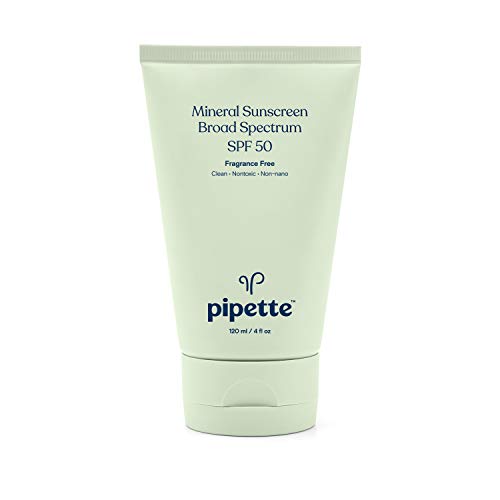
Below are non nano mineral sunscreens.

How to Use Zinc Oxide Sunscreen for Maximum Protection
It’s not just what you use—it’s how you use it. To get the most out of your zinc oxide sunscreen, follow these best practices:
Apply a Generous Amount
- For your face: Use a nickel-sized dollop
- For your body: Use a shot-glass full (about 1 oz)
- Most people under-apply sunscreen, so don’t be shy!
Apply as the Last Step in Skincare
Sunscreen should be the final step of your morning skincare routine, just before makeup. It forms a protective barrier, so layering it properly helps maintain its effectiveness.
Reapply Every 2 Hours
Even though zinc oxide is long-lasting and stable, it still needs to be reapplied—especially if you’re sweating, swimming, or wiping your face. Reapply every 2 hours for continued protection.
Don’t Forget Commonly Missed Spots
Ears, neck, chest, hands, hairline, and even your eyelids need protection too. These areas are often forgotten but frequently show early signs of sun damage.
Use Daily—Even Indoors, Yup!
UVA rays can penetrate glass and still affect your skin even when you’re inside. If you’re near a window, in your car, or using devices with blue light, daily sunscreen is still important.
Final Thoughts: Your Skin Will Thank You
Zinc oxide isn’t just a trend—it’s a proven, powerful ingredient that’s gentle, effective, and environmentally responsible. When paired with non-nano technology, it becomes the perfect option for those who want safe sun protection without compromise. And you protect all the hard work you do for your skin!
In my blog, I have mentioned many times that zinc oxide is the best coverage in sunscreen, and now you can see why. Whether you’re concerned about aging, pigmentation, acne, or just want to keep your skin healthy and radiant, choosing a non-nano zinc oxide sunscreen is one of the smartest skincare investments you can make!
This post is all about zinc oxide sunscreen benefits on skin and what non nano mineral sunscreen is.
While I personally test many of the products featured on this blog, I haven’t tried every single item recommended. My selections are based on careful ingredient analysis and thorough research into formulations and effectiveness. Always check for potential allergens if you have sensitive skin or known allergies.
Disclaimer: This blog provides general skincare advice and product recommendations. Always consult with a dermatologist or healthcare professional.

Leave a Reply